
If you want to know how to fix overbite in Drexel Hill, Newtown Square, or Edgmont, PA, start with a simple step. Book a consultation at Carpinello Orthodontics. At your first appointment, you get a full assessment. The orthodontist checks your teeth, bite, and jaw alignment. You leave with a clear treatment plan that fits your goals and timeline.
In some cases, your orthodontist might recommend additional appliances like headgear or rubber bands to correct your bite.
Understanding Overbite
What Is an Overbite?
An overbite is when the top teeth cover the bottom teeth too much. A small overlap is normal. A deep overlap can cause bite issues and overjet. It can lead to tooth wear and tooth sensitivity. It can also cause jaw pain and strain in the neck.
Why Fix an Overbite?
Correcting an overbite goes beyond aesthetics — it supports long-term oral health, comfort, and function. When the upper teeth excessively overlap the lower ones, it can impact everything from chewing to jaw health. Here are some key reasons why treatment matters:
- Health: A deep bite increases the risk of tooth decay, gum inflammation, and even periodontal disease in severe cases.
- Function: Proper teeth alignment improves chewing efficiency and speech clarity.
- Comfort: Correction can reduce jaw strain, TMJ tension, and daily discomfort.
- Appearance: A balanced bite position enhances facial harmony and boosts confidence in your smile.
- Prevention: Early orthodontic care can prevent more serious dental issues as a child grows.
Common Causes
Overbites can develop for several reasons, often beginning in early childhood. Understanding these causes helps guide the right treatment approach:
- Genetics: Jaw size, shape, and tooth alignment often run in families.
- Habits: Prolonged thumb sucking, pacifier use, or nail biting can push teeth out of alignment.
- Growth Patterns: Uneven jaw development can cause one jaw to outgrow the other, leading to bite discrepancies.
- Spacing Issues: Crowded teeth or gaps can disrupt how the upper and lower teeth meet.
- Airway Factors: Chronic mouth breathing in children may affect jaw growth and lead to bite problems over time.
Your Consultation and Assessment
Your orthodontic journey begins with a warm and thoughtful visit. The team takes time to understand your smile goals, review your medical and dental history, and carefully evaluate how your teeth fit together when you bite. They also check for signs of tooth wear and malocclusion. This comprehensive assessment ensures an accurate diagnosis and a personalized treatment plan. As Dr. Marty Greenberg, a patient-focused orthodontist in Jacksonville, FL, says, a careful exam lets your doctor pick the best path for your smile.
Imaging and Technology
Carpinello Orthodontics uses modern imaging technology. This may include digital X-rays, photos, and 3D scans. These tools show teeth, roots, bone, and jaw alignment with precision. They help spot crossbite, underbite, and overjet. With these images, your doctor explains your case, the procedure steps, and the expected results.
Your Treatment Plan
Your plan also explains how long your treatment may take and what will happen during each phase. You’ll know how often to come in for visits, what each appointment includes, and what to expect along the way. The details about costs, insurance, and payment options are clearly explained so you can plan with confidence.
When treatment is done, you’ll move into the retention phase. This part is just as important—it keeps your teeth in place using retainers that prevent shifting. By following your orthodontist’s instructions and keeping up good habits, you’ll enjoy smooth progress and lasting results.
How to Fix Overbite: Treatment Options
Braces
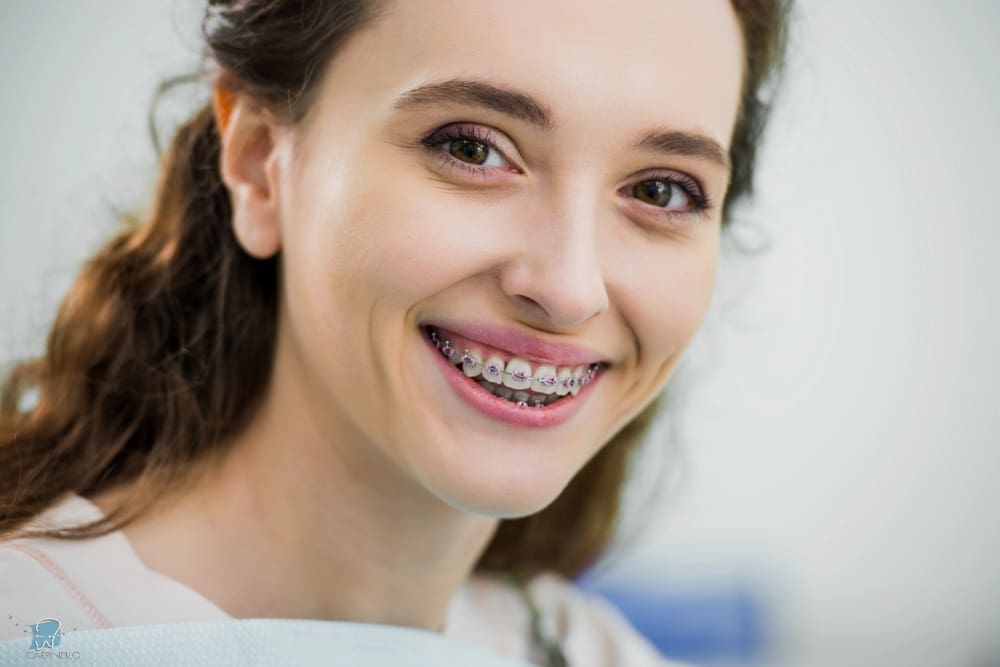
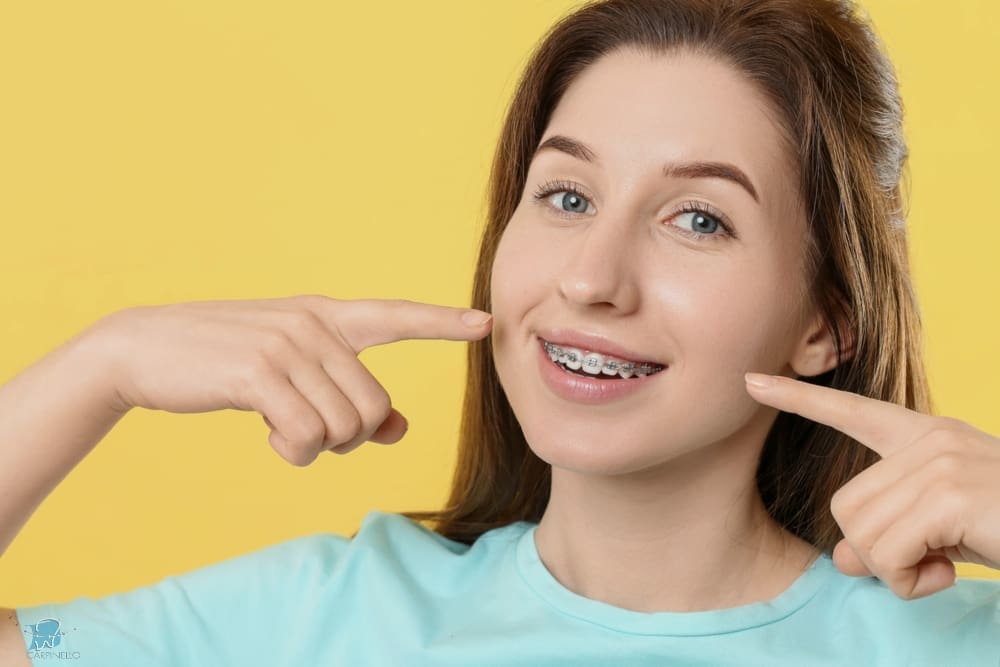
Braces are one of the most reliable ways to fix overbites and crowded teeth. Small brackets are attached to each tooth, connected by wires that gently move teeth into position. Your orthodontist may use elastics or positioners to help guide your bite. Regular visits allow for adjustments and ensure steady progress. With good brushing and flossing habits, you can keep your teeth and gums healthy throughout treatment.
Invisalign Aligners
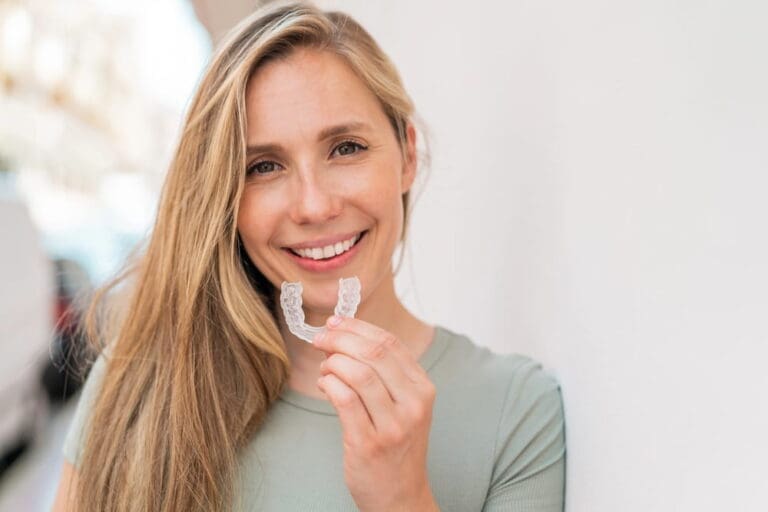
Invisalign aligners are a clear, removable option for correcting mild to moderate overbites. These smooth plastic trays fit comfortably over your teeth and are nearly invisible. They should be worn for 20–22 hours a day and changed on schedule as your teeth move. Many patients prefer Invisalign for its comfort, appearance, and convenience during eating and brushing.
Orthodontic Appliances
Some patients need special appliances to improve bite alignment or create space. Expanders help widen the upper jaw, while bite ramps or turbos open a deep bite and protect front teeth. In growing patients, headgear can guide jaw development. Other aids, such as springs and elastics, fine-tune movement for precise results.
Jaw Surgery (Severe Cases)
In rare cases where the jaw position causes the overbite, surgery may be needed. This procedure repositions one or both jaws to create a stable, balanced bite. Jaw surgery is often combined with braces or aligners for the best long-term outcome.
Phases of the Orthodontic Process
Orthodontic care happens in a series of organized steps. Each phase builds on the last to guide your smile toward ideal alignment and bite balance:
- Phase 1: Consultation and diagnosis. You get imaging, photos, and a full exam.
- Phase 2: Plan review. Your doctor explains your treatment plan, procedure steps, and timeline.
- Phase 3: Active treatment. You start with braces or aligners. You learn home care and safety tips.
- Phase 4: Progress checks. You return for adjustments, tracking, and refinements.
- Phase 5: Finishing and detailing. Positioners or light elastics may hone the bite.
- Phase 6: Retention. Retainers hold teeth while the bone sets and the bite stabilizes.
Treatment Duration and Progress Monitoring
Most plans take 12 to 24 months. Mild cases may finish sooner. Complex cases with jaw issues may take longer. Your habits affect time. Wear aligners as told. Use elastics as directed.
Do not miss visits. Your orthodontist will monitor progress and adjust the plan to keep tooth movement safe and steady. Dr. Emily Funk-Reynolds, a leading orthodontist in Chester Springs, PA, notes that deeper overbites may benefit from short elastic phases to guide final bite settling
Daily Care and Patient Comfort
Good home care keeps your treatment on track and helps prevent unnecessary issues.
- With braces: Brush after meals. Floss daily. A water flosser can help around brackets, molar bands, and wires. Avoid hard or sticky foods that may break brackets or bend wires.
- With aligners: Rinse and brush aligners with cool water. Do not use hot water. Brush and floss after each meal before you put the trays back in.
- Soreness: Mild soreness after a new wire, a fresh tray, or an adjustment is normal. A soft diet and saltwater rinses can help.
- Sensitivity: If you feel tooth sensitivity, try a gentle paste and a soft brush. Call the office if discomfort does not fade.
Retention: Hold Your Results
When active care ends, retention begins. Retainers keep your teeth in place while the bone sets. There are two main types:
- Removable retainers: Easy to wear and clean. Often used at night.
- Fixed retainers: A thin wire bonded behind teeth for a steady hold.
Wear retainers as instructed. This lowers relapse risk and protects your correction. Good habits support long‑term stability and function.
Getting Started at Carpinello Orthodontics
Starting your smile transformation is simple and straightforward. Begin with a comprehensive consultation and smile evaluation, where you’ll receive advanced imaging to assess your teeth, bite, and jaw alignment. Your orthodontist will then review a personalized treatment plan, explaining options such as braces, Invisalign®, or appliances like expanders and headgear designed to fit your needs.
To take the first step toward a healthier, more confident smile, visit our orthodontic offices in Drexel Hill, Newtown Square, and Edgmont or book your consultation online today.
About The Authors
Dr. Emily Funk-Reynolds – Orthodontist in Chester Springs, PA
Dr. David Carpinello – Orthodontist in Drexel Hill, Newtown Square, and Edgmont, PA
Frequently Asked Questions
What happens if you don’t fix an overbite?
Your teeth could wear down unevenly, leading to sensitivity and even damage. Chewing might become a bit of a challenge, and you could end up with jaw pain or headaches. In some cases, an untreated overbite can even cause speech issues or make it harder to keep your teeth clean, leading to more cavities and gum problems.
What is the fastest way to fix an overbite?
For many people, traditional braces or clear aligners like Invisalign can work wonders in a matter of months. In some cases, your orthodontist might suggest a combination of braces and elastics to speed things up. For severe overbites, jaw surgery might be the fastest option, but don’t worry – your orthodontist will guide you through all the possibilities.
How much will it cost to fix my overbite?
You might be looking at anywhere from $3,000 to $8,000 for traditional braces or clear aligners. If you need more extensive treatment, like jaw surgery, the price could go up to $20,000 or more. But don’t worry! Many orthodontists offer payment plans, and your dental insurance might cover a portion of the cost.