
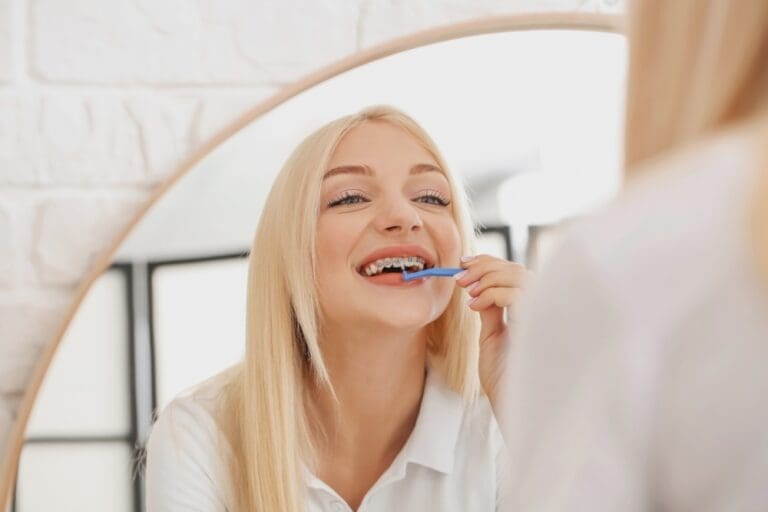
Need help learning how to floss with braces in Drexel Hill, Newtown Square, and Edgmont, PA? Many patients at Carpinello Orthodontics ask how to floss with wires, brackets, and an archwire on their teeth. Flossing is a key part of your oral hygiene routine because it removes food debris, plaque buildup, and bacteria that a toothbrush cannot reach.
Keep reading to learn easy flossing techniques, helpful tips, and clear steps to follow so you can feel confident in your cleaning routine and protect your orthodontic care results.

Why Flossing Matters When You Have Braces
Braces help straighten teeth, but they also make cleaning harder. Brackets and wire can trap food debris around the gum line and between teeth. When plaque stays on your teeth, it can cause cavities, gum swelling, and stains that may stay even after braces come off. This is why flossing is a key part of your dental hygiene routine.
Flossing removes plaque and bacteria that brushing alone cannot reach. It protects enamel, keeps gums healthy, and lowers the risk of gum disease and tooth decay. A clean mouth also means less irritation, less odor, and fewer dental visits. Daily flossing supports cavity prevention and helps your orthodontic treatment stay on track while you wear braces.
Best Flossing Tools for Braces
Flossing with braces takes practice. Using the right cleaning tools can save time and reduce stress. Here are the most helpful flossing tools for patients with braces:
1. Floss Threader
A floss threader is a small plastic loop that guides floss under the archwire to clean between teeth and along the gum line without bending the wire. It is a common tool in orthodontics. Threader floss is easy to use, works with regular floss, and many patients keep floss threaders at home or in their bag for daily cleaning.
2. Orthodontic Floss and Superfloss
Orthodontic floss is thicker and stronger than regular floss, so it slides easily under the wire and between brackets. Superfloss has a stiff end, a spongy section, and regular floss to clean large spaces and remove plaque buildup. It works well for deep cleaning, tight spaces, and is often used even after braces come off.
3. Water Flosser (Oral Irrigator)
A water flosser, also called an oral irrigator, uses a stream of water to remove food particles and debris from around brackets, wires, and the gum line. It is gentle on gums, easy to use, and helps keep your mouth clean between flossing sessions, especially for patients with sore gums or limited hand movement.
4. Interdental Brushes (Proxabrush)
Interdental brushes, also called a proxabrush, are small brushes that clean between teeth and around brackets where a toothbrush cannot reach. They work well for quick cleaning during the day, help remove food debris after meals, and keep your cleaning routine on track.
5. Floss Picks for Braces
Some floss picks are made for braces. They have a thin end that slides under the wire. They are easy to use at school, work, or while traveling. These picks help maintain your dental hygiene routine even when you are busy.
Where to Buy Flossing Tools in Drexel Hill
You can find floss threaders, water flossers, superfloss, and interdental brushes at local pharmacies, grocery stores, and online shops. Carpinello Orthodontics also provides guidance and starter tools for patients who need help building a good maintenance routine.
Step-by-Step Instructions: How to Floss with Braces
Flossing with braces takes time at first, but it gets faster with practice. Follow these simple instructions to clean your teeth the right way:
Step 1: Thread the Floss Under the Wire
Cut about 18 inches of floss and place one end through the floss threader. Slide the threader under the archwire between two brackets, then pull the floss through so it sits behind the wire. This step helps you reach the gum line and the tight spaces between your teeth.
Step 2: Clean Between Each Tooth
Hold the floss with both hands and wrap it in a C-shape around one tooth. Gently move it up and down and slightly under the gum line without forcing it. Repeat on the next tooth by threading the floss again under the wire. This technique takes patience but helps remove plaque and bacteria.
Step 3: Use a Water Flosser (Optional)
After flossing, use a water flosser to rinse away leftover debris. Aim the water stream at your gum line, brackets, and wire. Adjust the pressure so it feels comfortable. A water flosser helps clean areas you might miss and keeps your gums healthy.
Step 4: Brush Your Teeth
Finish with brushing. Use a soft toothbrush and fluoride toothpaste. Brush at a slight angle to clean around brackets and wires. Brush for two minutes. Rinse with water or a fluoride rinse. If your gums feel sore, use warm saltwater or a mild mouthwash.
Cleaning Tips for Different Types of Braces
Each type of braces needs special care. Here are simple cleaning techniques for each style:
Metal Braces
Metal braces have many spots where food can hide. Thread floss under the wire and clean between every tooth. Use interdental brushes to remove debris around brackets. Daily cleaning keeps plaque buildup away.
Clear Ceramic Braces
Ceramic braces are more delicate. Use gentle flossing techniques and soft brushing. Avoid snapping floss around brackets. Slow, careful movements protect the braces and your enamel. According to Dr. Alex Levine, a recommended orthodontist in Fort Myers, FL, using steady, gentle motions can prevent the ceramic parts from breaking.
Lingual Braces (Behind the Teeth)
Lingual braces sit behind the teeth, so they are harder to reach. A water flosser works best for this type. It removes food particles with less effort and helps maintain gum health.
Self-Ligating Braces
Self-ligating braces use clips instead of rubber bands. These clips can trap food. Clean around them with floss and a proxabrush. Consistent cleaning keeps your orthodontic care on schedule.
How to Fix Common Flossing Problems
Many patients face the same flossing challenges. These tips make your cleaning routine easier:
- Sensitive gums: If your gums feel sore, floss gently. Use a soft toothbrush and rinse with warm saltwater or mouthwash. A fluoride rinse also helps protect enamel.
- Hard-to-reach areas: Use interdental brushes or a water flosser for tight spaces. These cleaning tools reach spots your floss cannot.
- Trouble using floss: If floss feels hard to manage, try floss picks or threader floss. These tools save time and reduce frustration.
Personalized Guidance at Carpinello Orthodontics
At Carpinello Orthodontics in Drexel Hill, PA, we believe good guidance leads to better results. Our team helps every patient learn the best oral hygiene routine for their braces.
- Hands-on instructions: We show you how to floss, brush, and use cleaning tools the right way. Our instructions are simple and easy to follow. You can ask questions at any time.
- Custom hygiene kits: Each patient gets tools that match their braces. These kits may include floss threaders, superfloss, interdental brushes, and more. These tools support your daily maintenance routine.
- Expert orthodontic care: Our team gives clear tips for brushing, flossing, and mouthwash use. We help you build a dental hygiene routine that protects your teeth, gums, and enamel.
Oral Hygiene After Braces Come Off
When your braces are removed, your teeth may look smooth and clean. But you still need daily care to keep your results.
Wear Your Retainer
A retainer keeps your teeth in place. Follow your orthodontist’s instructions and wear it as directed. Wearing your retainer daily helps prevent shifting and protects your smile results for the long term.
Keep Flossing Daily
Flossing is still important after braces. It helps prevent plaque, gum disease, and tooth decay. Clean between each tooth every day to maintain gum health and keep your smile strong.
Visit Your Dentist Twice a Year
Regular cleanings remove tartar and check for problems. These visits protect your enamel and help your teeth stay healthy for life. Your dentist can also make sure your teeth are staying in proper alignment.
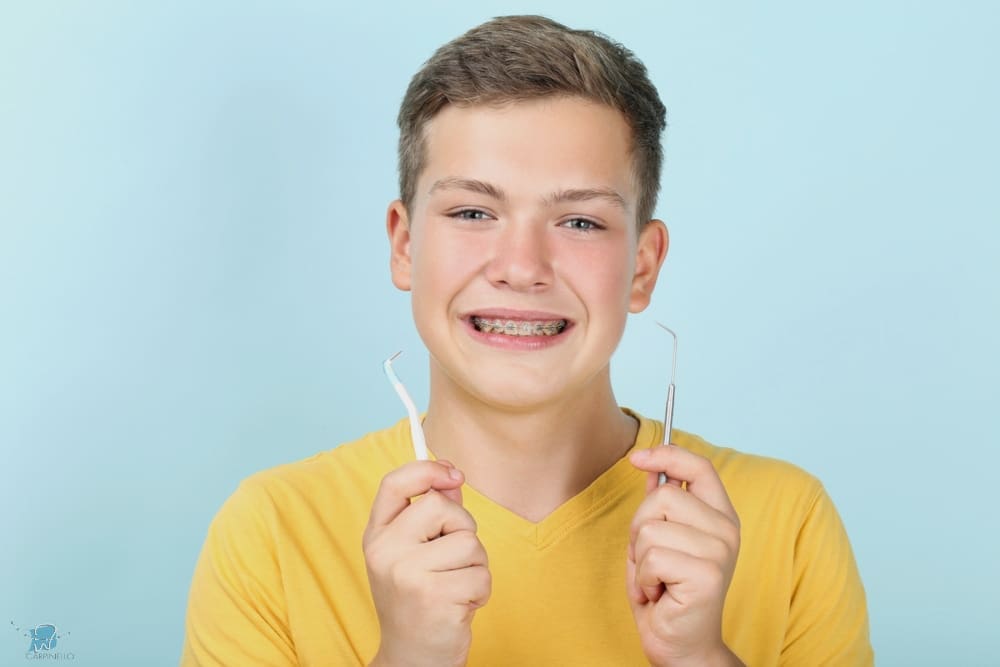
Start Your Flossing Routine Today
Flossing with braces does not have to be hard. With the right flossing tools, a simple technique, and daily practice, you can keep your mouth clean and healthy. A good cleaning routine protects your gums, enamel, and braces from damage.
At Carpinello Orthodontics in Drexel Hill, Newtown Square, and Edgmont, PA, we are here to support you at every step. If you need help with flossing techniques, brushing tips, or cleaning tools, our team is ready to guide you. Schedule a visit today and let us help you build strong habits that protect your smile for years to come.
About the Authors
Dr. David Carpinello – Orthodontist in Drexel Hill, Newtown Square, and Edgmont, PA
Dr. Alex Levine – Orthodontist in Fort Myers, Cape Coral, and Lehigh Acres, FL
Frequently Asked Questions
Can I just brush my teeth with braces?
You can brush your teeth with braces, but you shouldn’t rely on brushing alone. Braces trap more food, so flossing and cleaning between the brackets is still needed to keep your teeth healthy.
What happens if I do not floss well with braces?
If plaque buildup stays around your brackets and wire, it can lead to cavities, gum disease, and stains. These marks may stay on your teeth even after braces come off. Visiting our office allows us to check your cleaning routine and help you fix any problem areas early.
How do I get started with braces or hygiene guidance?
Getting started is easy. You can schedule a consultation with our Drexel Hill team to learn more about braces, cleaning tools, and flossing techniques. We will help you build healthy habits that protect your smile for years to come.