


Braces vs Invisalign: Which is Best?
While traditional metal braces or ceramic braces are often recommended for more complicated issues like bite corrections, Invisalign and Invisalign Teen have come a long way and are equally effective in many cases. This guide will dive into the features of both treatments. It will help you find the one that suits you best and guide you to the right orthodontic office in Drexel Hill, Newtown Square, or Edgmont, to achieve the smile you’ve always dreamed of.
Factors Influencing Effectiveness of Braces vs Invisalign

Complexity of the Dental Case
The success of your orthodontic treatment depends greatly on how complex your dental issues are. Some treatment methods are better for solving severe problems, offering more precision. A patient’s habits also play a role. For example, Invisalign works better if the patient is dedicated to wearing the aligners as instructed, while fixed treatments like metal braces or ceramic braces ensure steady progress even without much effort from the patient.
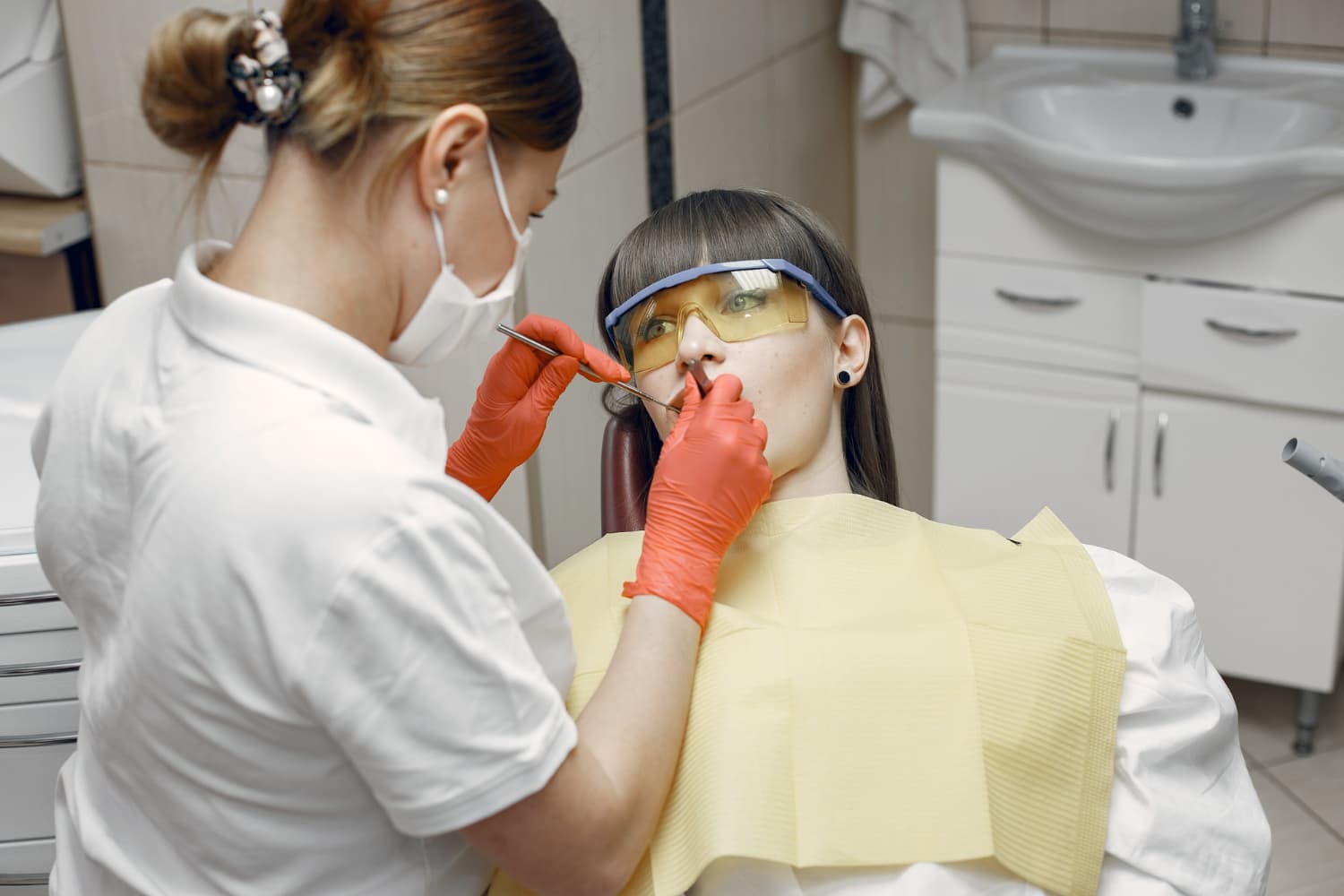
Investment and Oral Hygiene
Orthodontic treatments are a long-term investment. Some options make it easier to maintain good oral health, reducing hygiene-related problems, while others require extra care to avoid issues like plaque buildup. Choosing the treatment that fits your lifestyle ensures better dental health throughout and after the treatment process.
Orthodontic Treatment Effectiveness in Different Age Groups
Discover the differences in orthodontic care for children and adults, highlighting growth factors, lifestyle considerations, and tailored treatment options for both.
Early Orthodontic Treatment in Children
For children, starting orthodontic care early helps guide the proper development of teeth and jaws. Traditional metal braces are a great choice for kids because they effectively treat complex dental problems and don’t make kids worry about appearances as much.
Adult Orthodontics: Invisalign versus Braces
Adults often select between clear aligners like Invisalign and fixed options such as braces based on their convenience and how well they fit into their day-to-day lives. Clear aligners are discreet and removable, making them a popular choice for adults, while fixed braces provide dependable results, especially for individuals who find it hard to stick to treatment plans.
Real-world Applications: Invisalign or Braces?
Mild to Moderate Case
Severe Case – Traditional Metal Braces Win
Lifestyle Consideration
Debunking Myths Around Braces and Invisalign
Clearing up common misconceptions can help patients make educated choices about braces and clear aligner treatments.
Myths about Braces
Myths about Clear Aligner Therapy
Can Extraction Cases be Treated with Clear Aligners
Clear aligners can successfully address tooth extraction cases when patients diligently follow the prescribed wear schedule. Consistent use is critical to achieving optimal results, as neglecting to wear the aligners as directed may slow progress or lead to less effective outcomes. For more complex situations, traditional metal braces or other fixed appliances might offer faster and more predictable solutions, tailored to the patient’s specific orthodontic needs and desired treatment goals.
Mechanical Advantages and Disadvantages of Braces and Invisalign in Orthodontics Biomechanics
As previously highlighted, traditional metal braces offer greater compatibility with accessory orthodontic appliances, especially in complex cases. Their design provides added flexibility, making it easier to incorporate devices that help adjust jaw positioning or address severe misalignments. This adaptability is particularly advantageous for early intervention in children or managing adolescent treatment plans. Unlike clear aligners, which can be limited in accommodating certain appliances, braces enable orthodontists to leverage a wider range of tools and techniques. The seamless integration of these appliances with metal brackets allows for precise and timely adjustments, leading to improved treatment efficiency and more effective outcomes in a variety of orthodontic cases.
Take Action
Orthodontic care is influenced by factors like individual dental requirements, daily habits, and financial considerations. Scheduling a free orthodontic consultation is the first step in identifying the most suitable treatment to help you achieve a healthy, confident, and lasting smile designed specifically for your needs.