


Introduction to Jaw Surgery Orthodontics
What is Jaw Surgery?
Purpose of Jaw Surgery
Jaw surgery effectively resolves both functional issues and aesthetic concerns caused by jaw irregularities. It plays a vital role in improving oral health, ensuring proper jaw alignment, and enhancing overall functionality, making it an essential step for achieving long-term oral wellness and balance.

Improving functionality
Enhancing appearance
Importance of Jaw Surgery in Improving Oral Health and Facial Aesthetics
The Role of Jaw Surgery in Oral Health
When the jaw is misaligned, it can interfere with essential daily activities. Jaw surgery helps resolve:
The Role of Jaw Surgery in Facial Aesthetics
An aligned jaw plays a crucial role in enhancing facial balance and profile harmony. By addressing underlying structural issues, jaw surgery can achieve:
Common Conditions Requiring Jaw Surgery
Malocclusion Correction
with Jaw Surgery
Malocclusion, commonly referred to as a “bad bite,” occurs when the upper and lower jaws are improperly aligned, leading to difficulties in oral functionality and affecting facial aesthetics. In severe cases, corrective jaw surgery is necessary to effectively address the issue and restore proper alignment.
Types of malocclusion
Addressing these issues enhances chewing, speech, and overall facial balance while also helping to prevent long-term oral health concerns such as gum disease and excessive tooth wear.
Treatment methods
Severe malocclusion is treated through:
Obstructive Sleep Apnea
Obstructive sleep apnea (OSA) is a condition characterized by airway blockages during sleep, leading to interrupted breathing and poor-quality rest. For severe cases, jaw surgery provides a long-term and effective solution by addressing the structural issues causing the obstruction, improving airflow, and overall sleep quality.
How jaw surgery helps OSA
By repositioning the upper and lower jaws, the airway is widened, effectively addressing the root cause of obstructions. Benefits include:
Surgical techniques
Jaw surgery for sleep apnea serves as a long-term solution, improving health while reducing the risks of untreated OSA.
Enhancing Facial Aesthetics through Jaw Surgery
Jaw surgery improves both function and looks. By repositioning the jaw, significant facial balance and harmony can be achieved.
Benefits for aesthetics:
Through correct adjustments, this surgery leaves patients with improved structural harmony while addressing both health and cosmetic concerns.

Preparing for Jaw Surgery
Preparation is essential to achieving the best outcomes from jaw surgery. Patients usually undergo comprehensive pre-surgical evaluations, which often involve orthodontic treatments and imaging studies. Key steps include:
Consultation with Oral and Maxillofacial Surgeon
Your surgeon will analyze your dental and facial structure and discuss the detailed procedure.
Orthodontic Treatment: Aligning Teeth Before Surgery
Braces may be needed to move the teeth into the proper position before surgery.
Follow Pre-Surgical Instructions
This may include dietary changes, stopping certain medications, and other health considerations.
Recovery and Aftercare
Recovery and aftercare are essential steps in the healing journey, playing a crucial role in helping patients return to daily activities after surgery. A successful recovery involves a combination of self-care, professional support, and strict adherence to post-operative instructions. Thoughtful preparation for aftercare can minimize complications, sustain progress, and encourage a healthier, longer-lasting recovery. Below are the key areas that contribute to a smooth and effective recovery process.
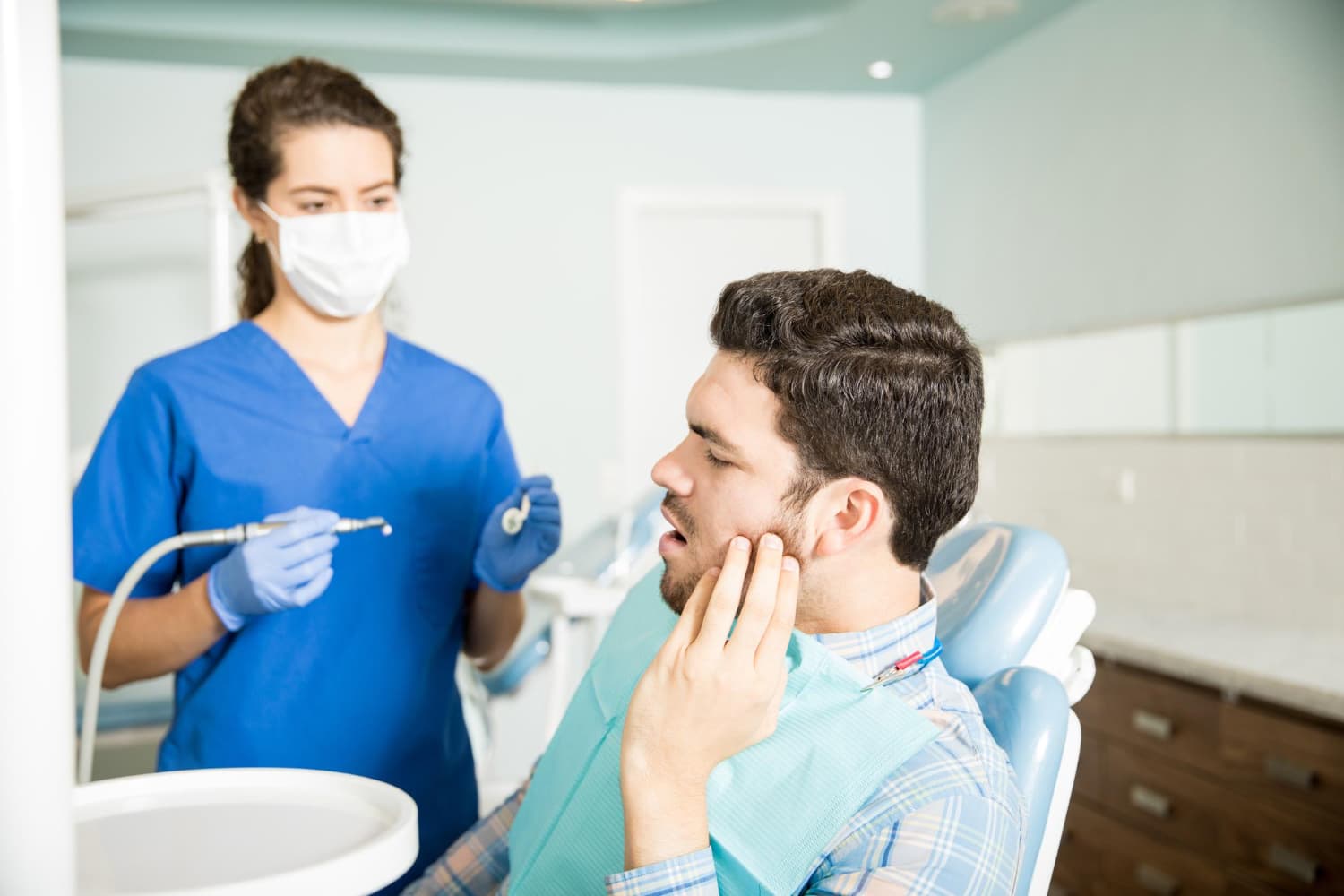
Post-operative pain management
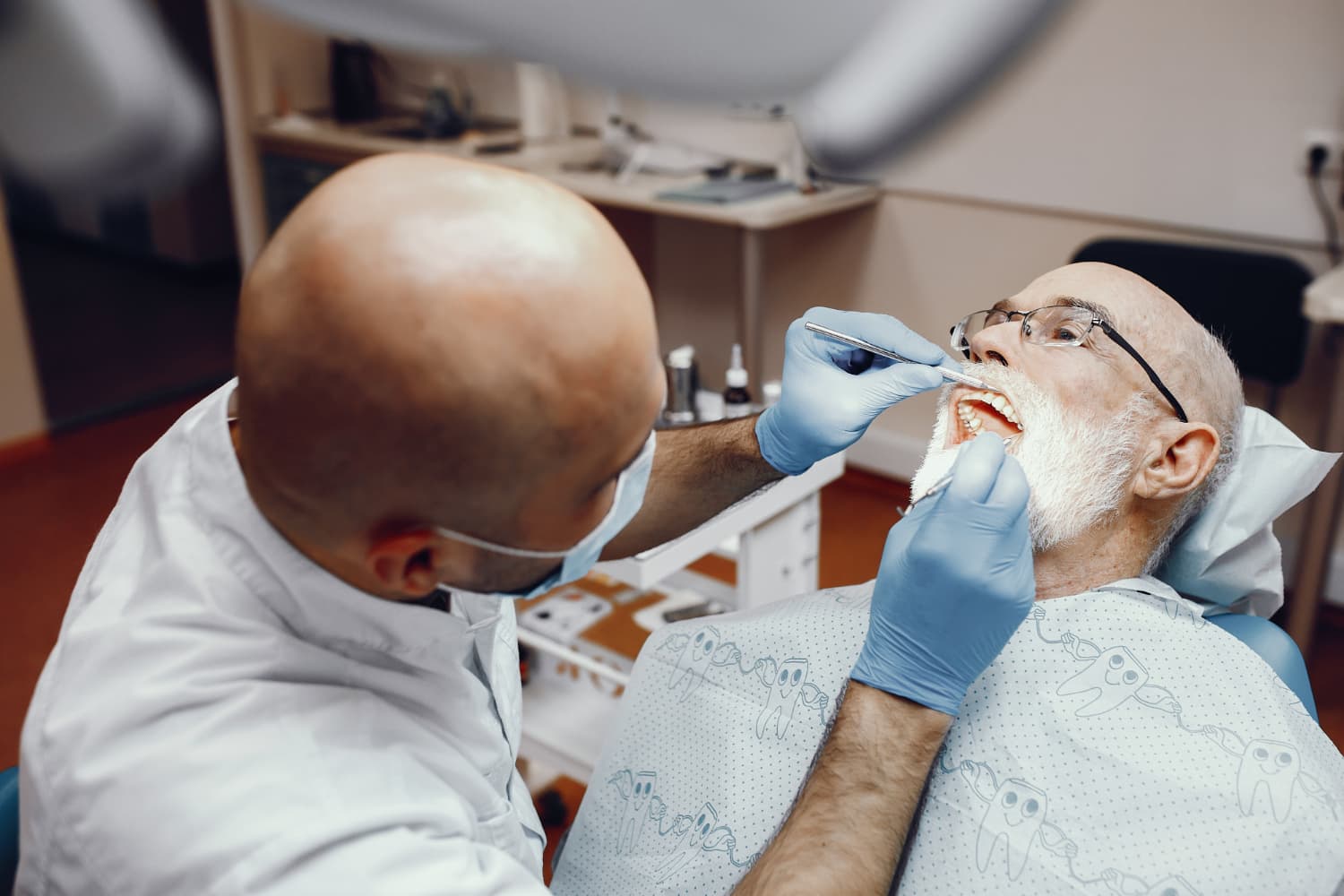
Dietary restrictions and oral hygiene
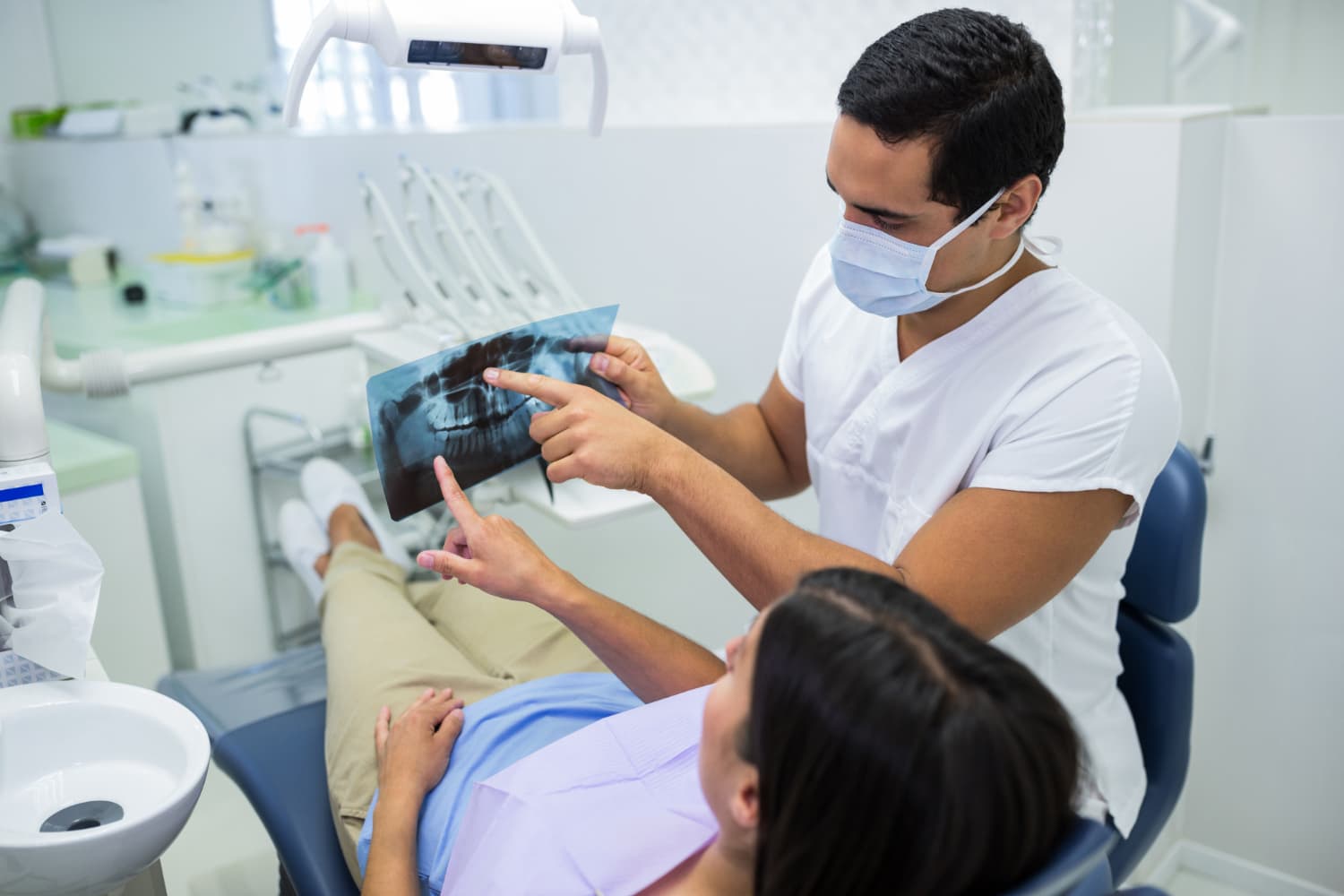
Follow-up appointments
Physical therapy and rehabilitation

Risks and Complications of Jaw Surgery
As with any medical procedure, jaw surgery involves certain risks and potential complications. However, most of these risks can be effectively managed with proper planning and care. Being well-informed empowers patients to take the necessary precautions, follow post-operative instructions, and make confident, educated decisions about their treatment for the best possible outcome.

Rehabilitation Exercises
Risks may include mild discomfort, swelling, or minor bleeding, often influenced by factors such as pre-existing health conditions or individual recovery patterns.
To reduce these risks, it is vital to have an in-depth consultation with your surgeon. Gaining a clear understanding of the procedure, possible complications, and detailed post-operative care instructions helps facilitate a smoother recovery process and decreases the chance of undesirable outcomes.
Conclusion
Jaw surgery, also known as orthognathic surgery, is a critical procedure for correcting jaw and facial irregularities. It provides both functional enhancements, such as improved chewing, speaking, and breathing, and aesthetic improvements by creating better facial harmony. Beyond cosmetic benefits, it addresses vital health issues, substantially improving overall quality of life.
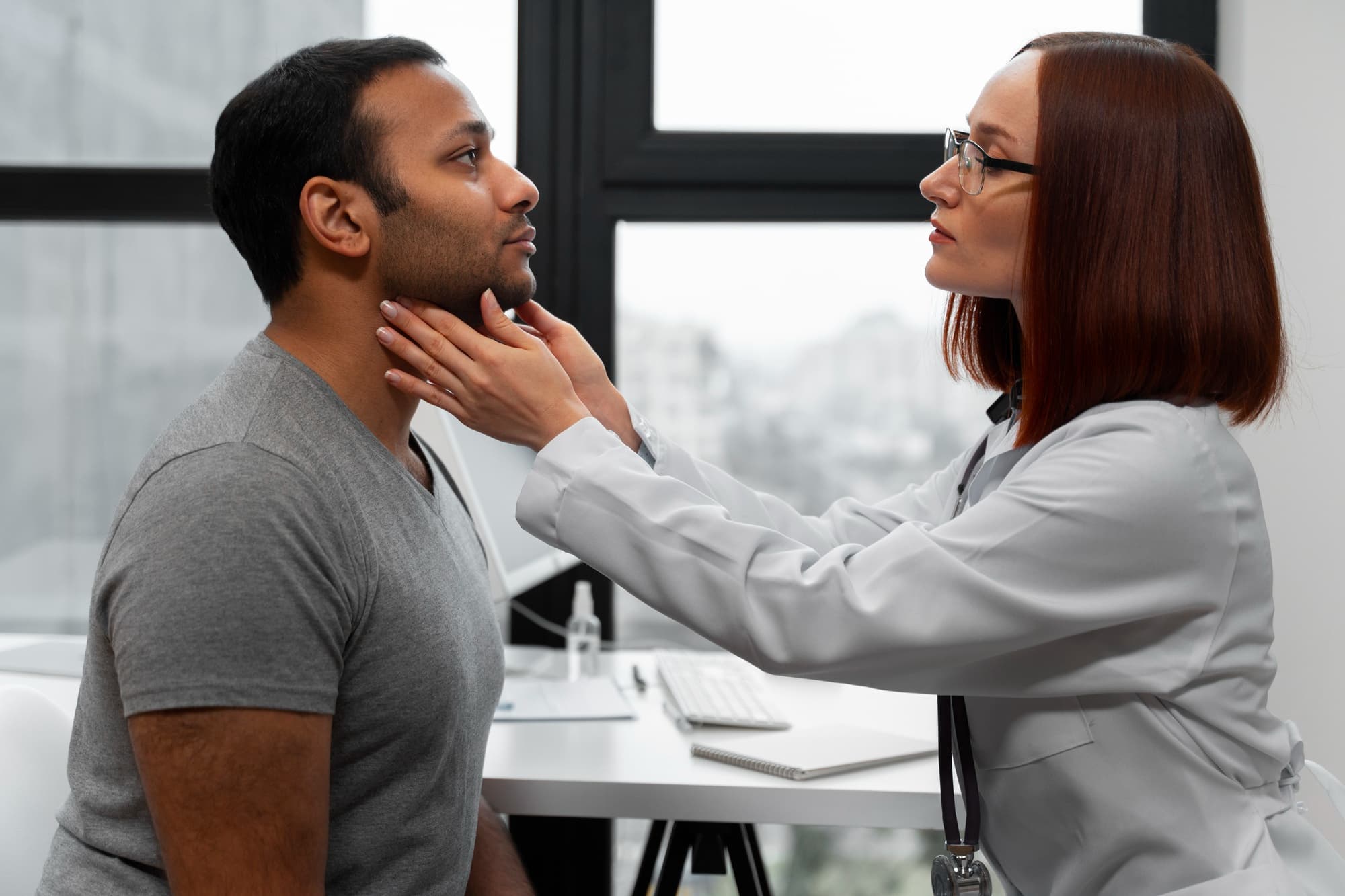
Importance of jaw surgery
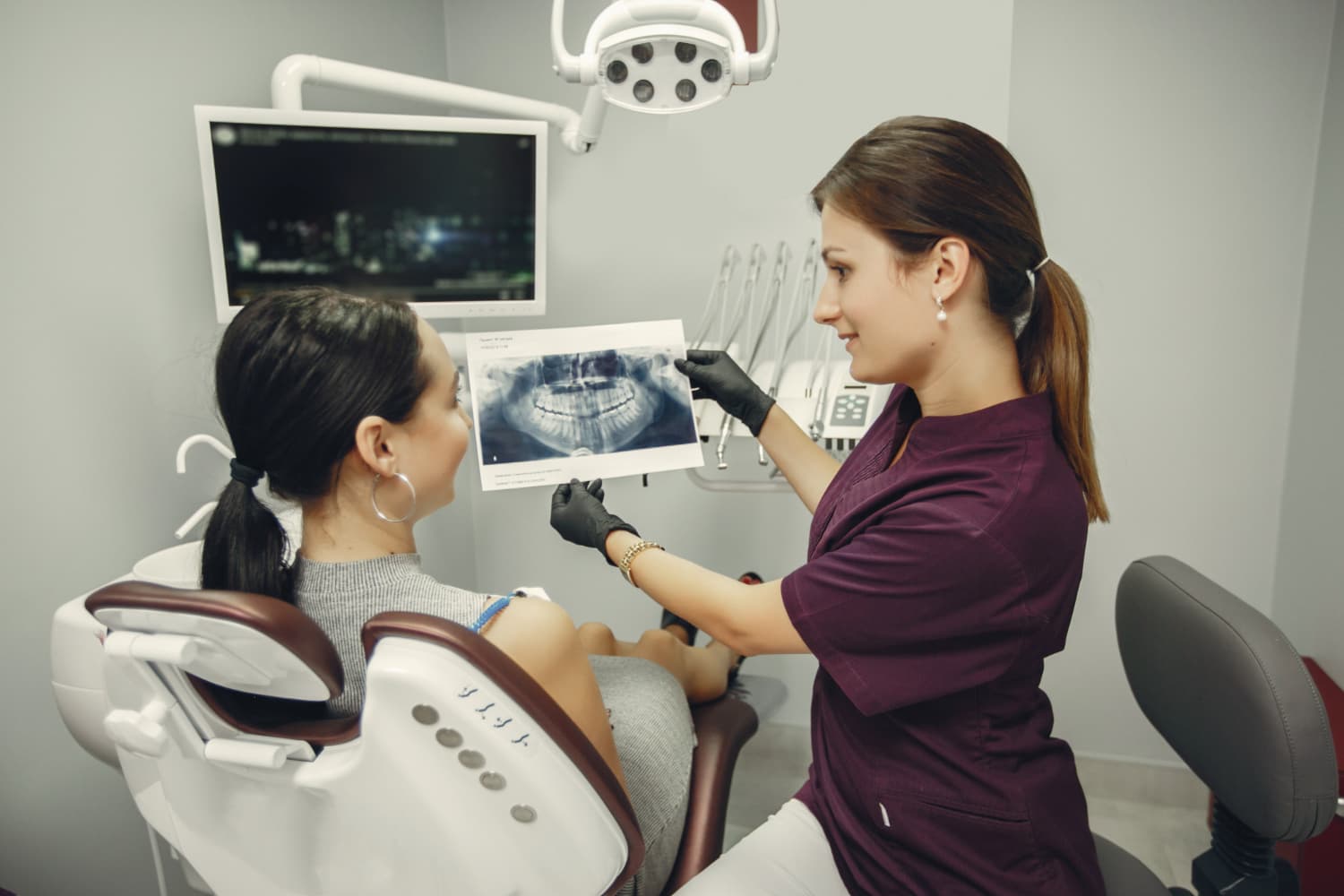
Benefits of jaw surgery
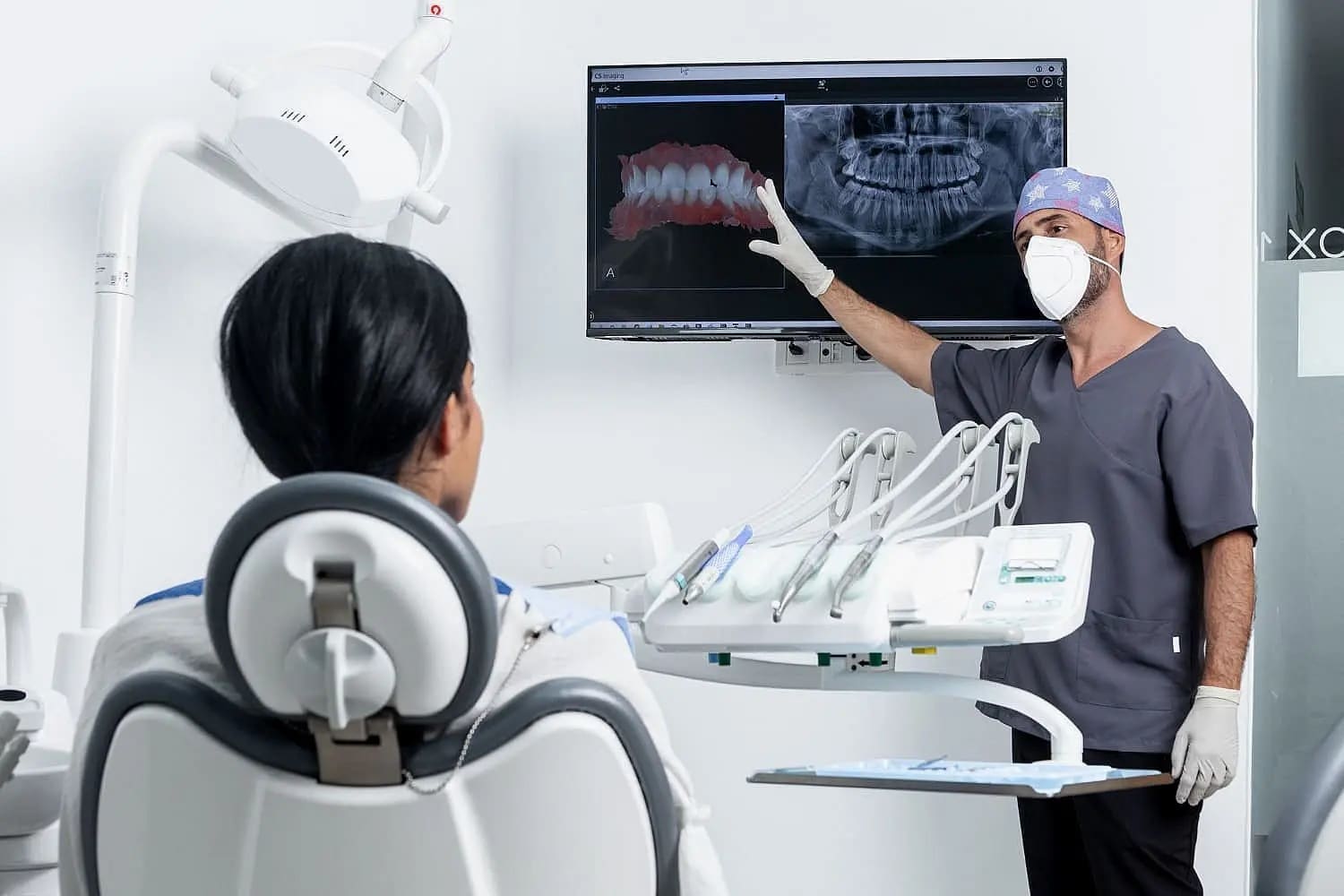
Future advancements in jaw surgery
Innovative research is shaping the future of jaw surgery, delivering better outcomes for patients: