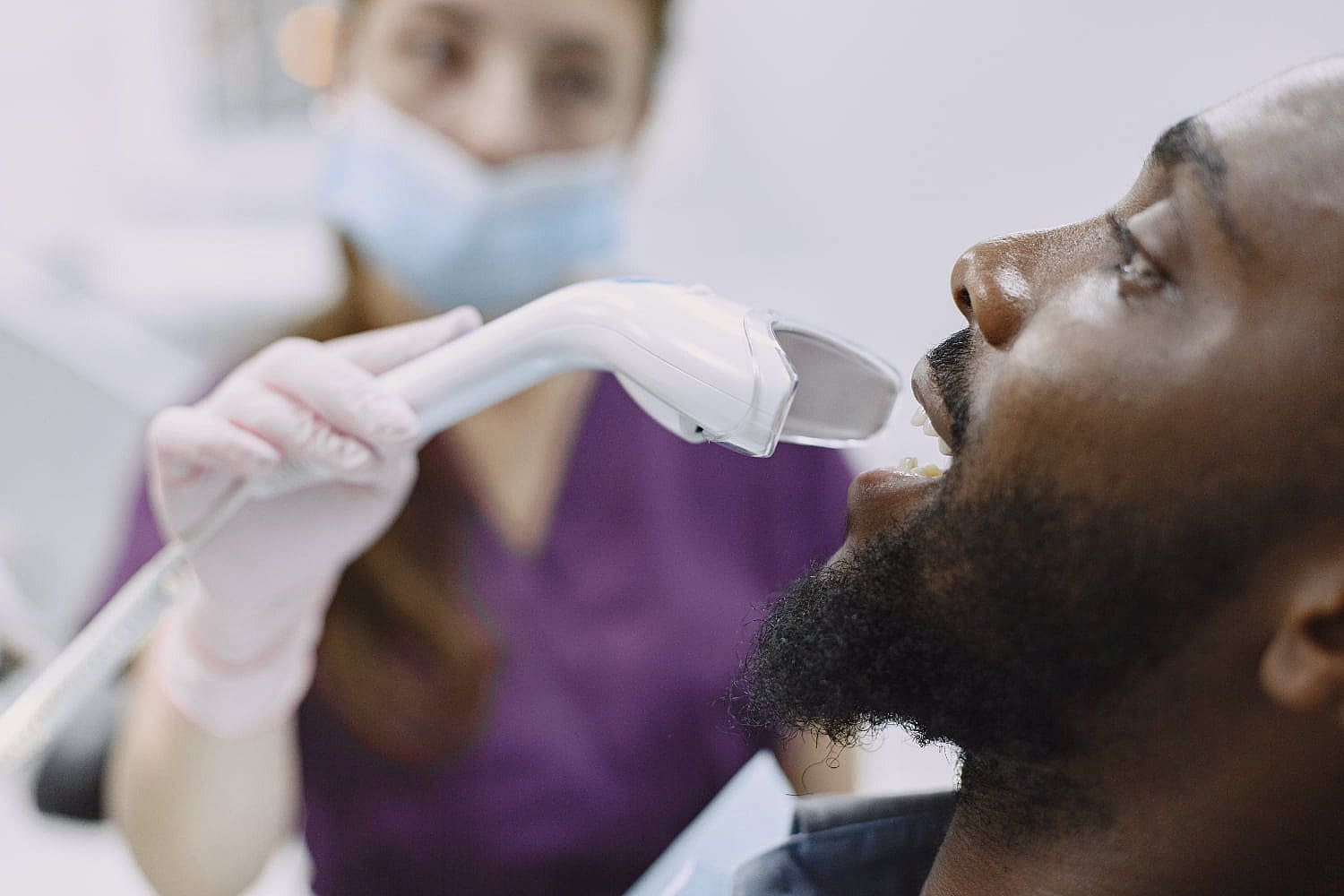


Mouth breathing is a frequent condition in which individuals rely on their mouth instead of their nose for breathing. Our team focuses on recognizing and treating this issue, as it can profoundly affect oral health and general well-being. Correctly addressing mouth breathing is essential for promoting overall health and preventing potential long-term problems.
Causes and Effects of Mouth Breathing

Causes of mouth breathing
Mouth breathing can arise due to several factors, such as seasonal allergies (like cedar fever), persistent nasal congestion, enlarged tonsils, or conditions like sleep apnea. Weather and environmental allergens can worsen symptoms for some people.
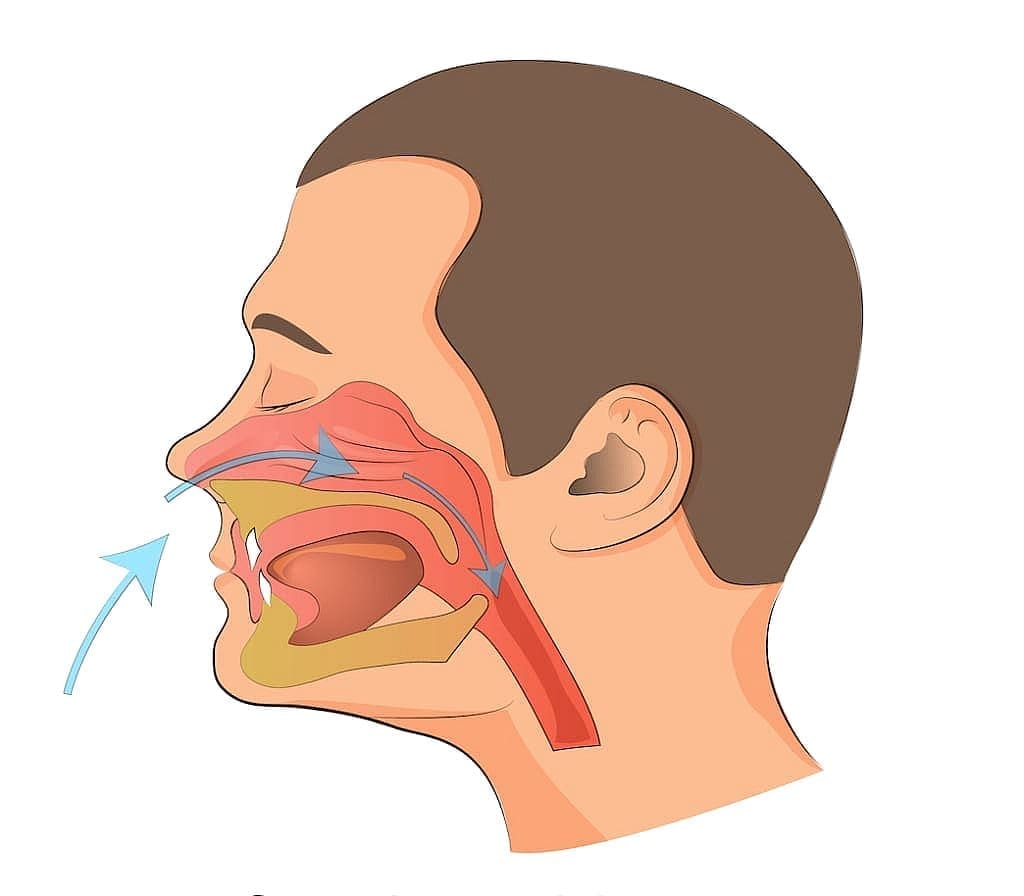
Mouth breathing affects overall health
Our respiratory health is especially vulnerable to the effects of mouth breathing. Without proper nasal filtration, individuals may face increased susceptibility to respiratory infections, reduced oxygen absorption, and diminished breathing efficiency.

Relationship between mouth breathing and dry mouth
A warm climate can make the effects of mouth breathing on oral moisture worse. We often treat patients dealing with xerostomia (dry mouth), a condition that can cause significant oral health issues, such as cavities and gum disease, if not addressed in time.

Connection between mouth breathing and sleep apnea
Mouth breathing and sleep apnea are often interconnected, forming a pattern that disrupts sleep quality and affects day-to-day activities. Addressing mouth breathing can significantly enhance sleep and overall functionality, emphasizing the importance of identifying and managing both conditions to support improved health and well-being.
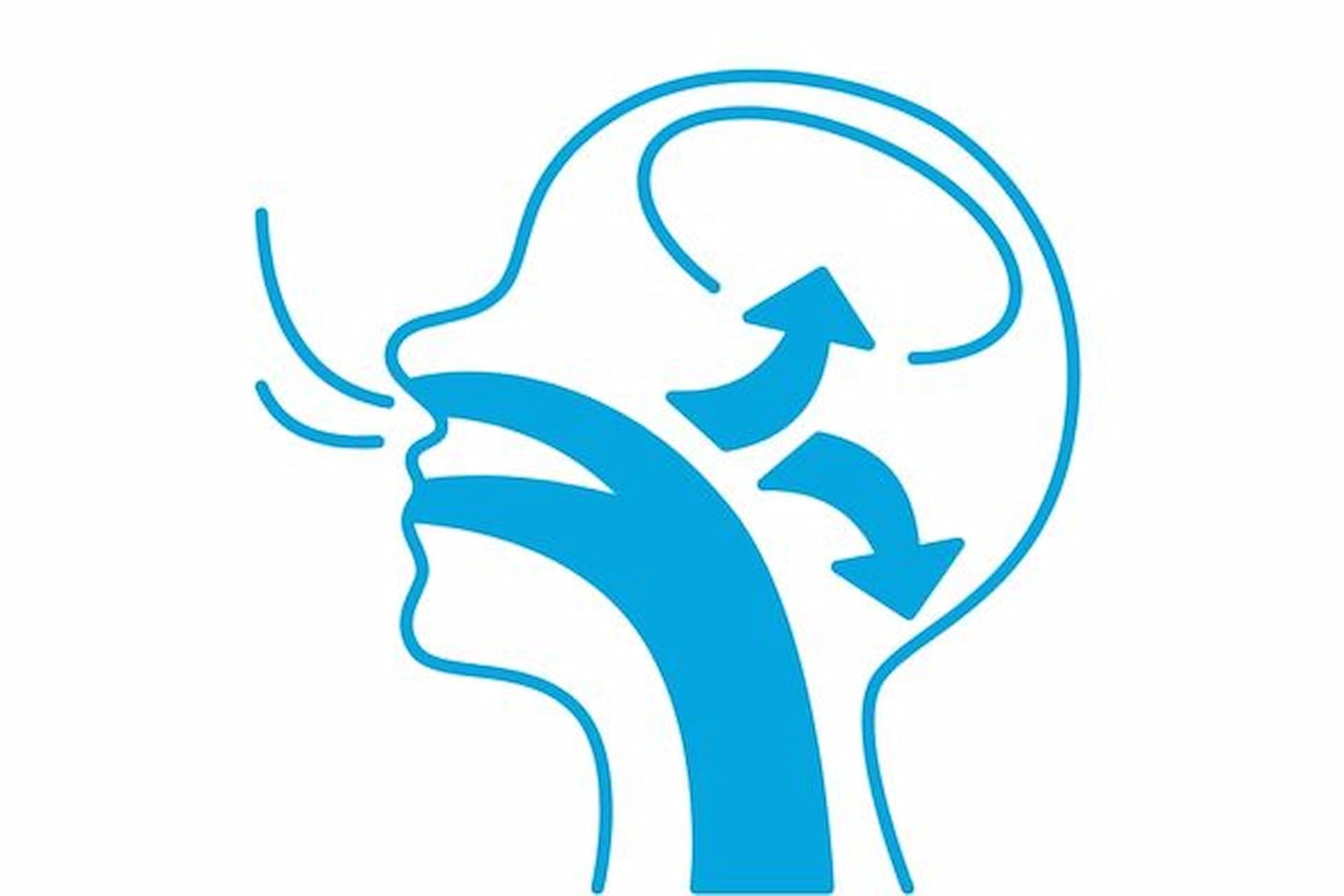
Effects of mouth breathing on brain function and cognitive abilities (brain fog)
Breathing through the mouth can lead to cognitive challenges, including reduced concentration and mental fatigue. These difficulties often interfere with daily life, highlighting the necessity of addressing mouth breathing to improve focus, mental clarity, and overall quality of life.

Impact of mouth breathing on oral health and bad breath
At Carpinello Orthodontics, we frequently treat patients whose mouth breathing has led to dental issues and halitosis (bad breath). The decreased saliva flow creates ideal conditions for harmful bacteria to grow, increasing the risk of tooth decay and gum disease.
Health Risks Associated with Mouth Breathing
Mouth breathing in both adults and children significantly increases the risk of respiratory infections such as sinus infections, colds, and the flu. This is because mouth breathing bypasses the nasal cavity’s natural filtration system, allowing harmful pathogens to reach the lungs more easily. Furthermore, habitual mouth breathing can lead to nasal congestion and blockage, which in turn exacerbates the issue by making nasal breathing more difficult.
The connection between mouth breathing and lung health is a serious concern, as it can contribute to long-term respiratory issues. In children, the consequences are even more critical. Chronic mouth breathing can lead to improper facial and dental development, disrupted sleep patterns, and even behavioral challenges, stressing the importance of early intervention to prevent future complications.
Diagnosis and Treatment
At Carpinello Orthodontics, we utilize advanced diagnostic methods to identify mouth breathing habits and determine their root causes. Our team creates customized treatment plans, which may involve orthodontic appliances, targeted breathing exercises, and collaboration with local specialists when needed, ensuring comprehensive care for every patient.
Prevention and Management
Breathing exercises and techniques to improve nasal breathing in children can be complemented by a variety of preventive and management strategies. First, simple lifestyle changes, such as maintaining a nutritious diet, staying properly hydrated, and engaging in regular physical activity, can reduce nasal congestion and support nasal breathing. Second, targeted breathing methods can be introduced to enhance breathing efficiency.
These methods may include diaphragmatic breathing, which encourages deep and effective breaths through the diaphragm rather than shallow chest breathing, as well as basic exercises designed to clear nasal passages. Teaching children the value of nasal breathing for their overall health and fostering awareness about proper breathing habits can yield long-term benefits. By integrating lifestyle modifications with focused breathing techniques, a holistic approach can help develop and maintain healthy nasal breathing habits in children.

Improving Your Breathing and Health with Airway Orthodontics
We use advanced 3D imaging technology to thoroughly evaluate airway structures and create tailored treatment plans. This cutting-edge approach enables us to address both breathing challenges and orthodontic needs at the same time, ensuring the best possible outcomes for our patients.