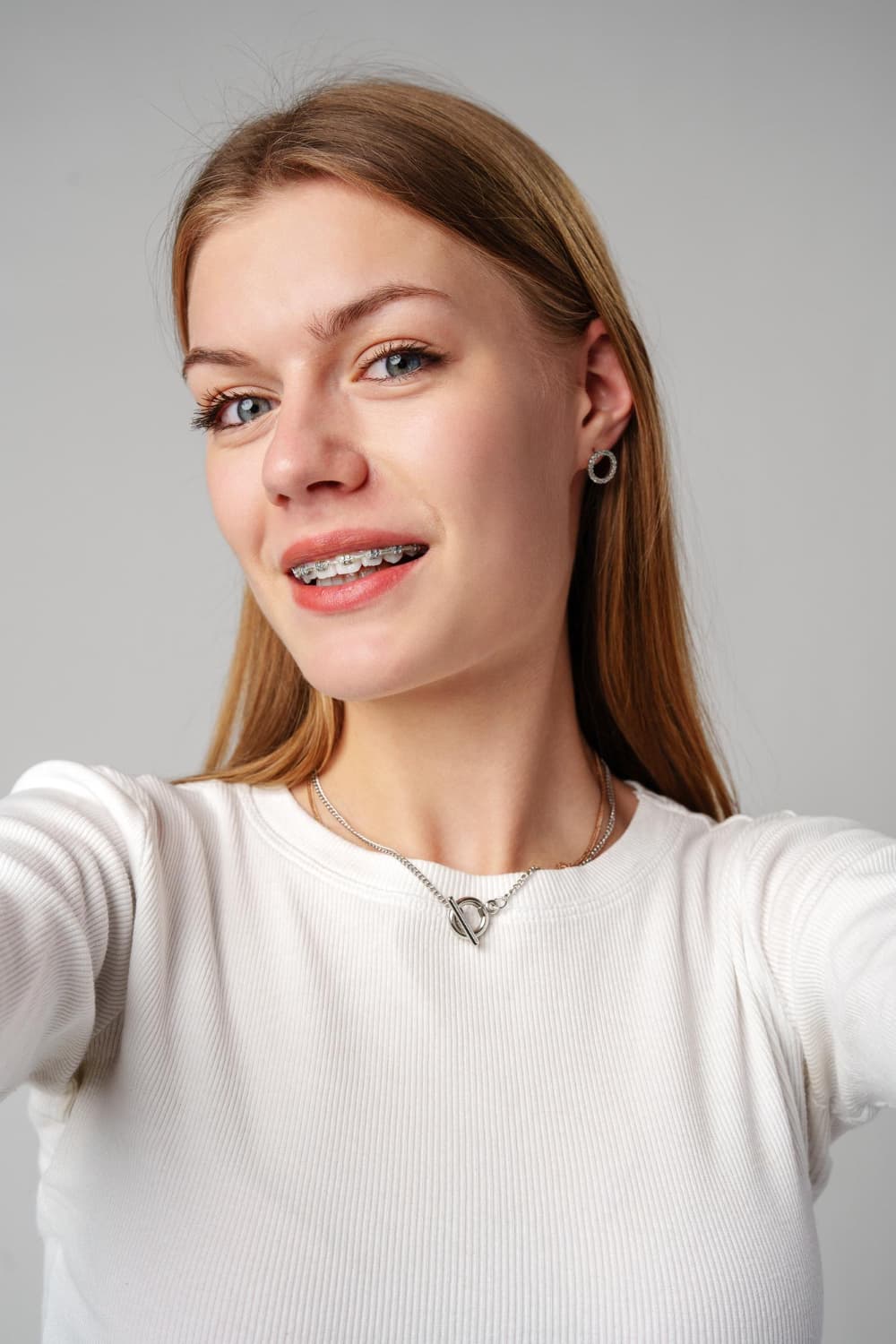

An underbite happens when your lower teeth stick out farther than your upper teeth when your mouth is shut. At Carpinello Orthodontics in Drexel Hill, Newtown Square, and Edgmont, Dr. Paul Carpinello and Dr. David Carpinello focus on addressing this issue, which can impact both your oral health and self-esteem. If ignored, underbites can lead to challenges with speaking, eating, and may cause ongoing jaw pain.
Causes and Risk Factors
Genetics factors of underbite
Genetics significantly influence the development of an underbite, often appearing in families. If a parent has an underbite, there is a higher chance that their child may develop one due to hereditary influences.

The role of environmental factors in underbite
Environmental elements significantly influence the development of an underbite, a dental condition characterized by the lower jaw extending beyond the upper jaw.

Mouth breathing and its relationship to underbite
Mouth breathing, often resulting from allergies or respiratory challenges, can interfere with normal jaw development. Incorrect tongue posture and pressure from mouth breathing may affect jaw growth, potentially resulting in an underbite.
Types and Severity of Underbite
At Carpinello Orthodontics, we categorize underbites into three primary types: Class I (mild overlap), Class II (moderate overlap), and Class III (severe protrusion). We carefully evaluate each patient’s condition to determine the most effective treatment approach. We also assess any temporomandibular joint (TMJ) involvement, as this can influence treatment decisions.
Effects and Complications
of an Underbite
Many patients at Carpinello Orthodontics seek help for complications associated with an underbite. These may include:
Facial appearance changes
Difficulty maintaining proper oral hygiene
Speech impediments
Challenges with chewing and digestion
Increased risk of tooth wear
Potential development of sleep apnea
TMJ disorders and associated pain
Treatment Options for Underbite in Drexel Hill, Newtown Square, or Edgmont at Carpinello Orthodontics
Our office offers various types of care and services, each tailored to meet specific patient needs.
Non-surgical Approaches
We offer various non-surgical treatments at our Drexel Hill, Newtown Square, or Edgmont clinic, including:
These treatments are customized for each patient’s specific needs and lifestyle requirements. Many residents have successfully corrected their underbites through these conservative approaches.
Surgical Intervention
In more severe cases that need surgical correction, we coordinate care with trusted oral and maxillofacial surgeons in the Drexel Hill, Newtown Square, and Edgmont areas. These surgical options are typically suggested for adults or individuals with significant jaw misalignment that cannot be corrected solely with braces or clear aligners. Although we do not provide surgical orthodontic treatment at our clinic, we guarantee that patients receive care from experienced professionals for a smooth and well-coordinated treatment process.